House removals in Holland Park

House removals in Holland Park need a careful, organised approach because every property, access route and item list is different. We provide a practical removal service for households that need furniture moved, boxed contents handled and larger items transported with attention to layout, timing and access. The work can include planning for staircases, protecting surfaces, loading vans efficiently and making sure each part of the move is handled in a sensible order.
If you are comparing options, our house removals service is built around domestic moves that benefit from a clear plan and steady handling rather than a rushed approach. We also cover smaller household moves, single-item collections and fuller property clearances through related services where they are a better fit. Our aim is straightforward: move domestic goods safely, keep the process manageable and help you request a quotation with the right information.
For a wider view of the service range, you can also look at removal services and home moves. Those pages are useful if your move includes mixed contents, awkward access or a household that needs more than one vehicle journey. Start by thinking about what is being moved, then match the service to the amount of furniture, packing and transport support you need. If you already know your moving date, a quotation request can be prepared more quickly and with fewer follow-up questions.
Planning a domestic move
Domestic removals work best when the main items are identified early. Sofas, wardrobes, beds, dining sets, white goods and packed boxes each create different loading needs, and the access at both properties can affect how the day is organised. A sensible plan considers parking, lifts, stairs, narrow halls and any items that need dismantling before they can be carried safely. This is where clear communication helps the service stay efficient and practical.
For moves with a mix of household items, movers and removals are useful pages to review alongside the core house-moving options. They can help you decide whether the task is a simple property move, a partly packed domestic relocation or something that needs additional handling for bulkier possessions. If you are unsure which service level is most appropriate, a brief description of the property and contents is usually enough to begin.
Two details are especially helpful when asking for a quotation: an approximate inventory and any access limits. That does not need to be a perfect list, but it should mention the larger items, fragile pieces and anything unusually heavy or awkward. Good information leads to a better estimate, and it also helps avoid surprises on moving day. If possible, note whether you need help with packing, dismantling or collecting items from more than one room.
Packing and careful handling

Packing and handling are central to a smooth house move because the goods inside a home often contain fragile, personal or sentimental items that deserve extra care. Boxes should be closed securely, breakables separated where possible and loose items kept out of the way of heavier furniture. Our approach is practical rather than dramatic: reduce unnecessary movement, keep items identifiable and make loading as orderly as the property allows.
If you need support before loading begins, the packing and unpacking services page is a relevant place to look. It suits households that want help organising cartons, protecting fragile possessions and reducing the amount of last-minute work on moving day. Packing support can be helpful whether you are moving a full home or only part of one, especially when time is short or the contents include many smaller items.
As a rule, the safest loads are the ones that are prepared with consistency. Heavier items should not be packed loosely with delicate belongings, and boxes should not be overfilled just to save time. If a client can separate paperwork, valuables and personal essentials in advance, the move tends to run more smoothly. That kind of preparation does not need to be elaborate; it simply needs to be realistic and workable for the property in question.
Furniture, appliances and awkward items
Many house removals involve more than cartons. Large furniture and household appliances often require lifting care, route planning and occasional dismantling before they can leave the property safely. Beds, tables, cabinets and similar items are usually best handled in a sequence that avoids damage to walls and corners. The key is to protect both the item and the building while keeping the move moving at a sensible pace.
For heavier domestic loads, the furniture pick-up service can be useful where a single item or a small number of pieces needs collecting without a full house move. That is a practical choice for people replacing furniture, clearing a room or moving one bulky object between addresses. It also gives you a simple way to separate one-off collections from a broader domestic relocation.
- Large items may need dismantling before loading.
- Access points should be checked for width and turning space.
- Fragile finishes benefit from blankets and careful stacking.
- Heavier goods are usually easier to move when the route is clear.
Vehicle choice and load size

Choosing the right vehicle matters because not every household move needs the same capacity. Some customers only need a compact collection for a few boxes and a couple of pieces of furniture, while others need enough space for a complete family property. Matching the vehicle to the load helps reduce wasted trips, keeps loading more organised and makes the overall move easier to manage.
The pages for moving van and moving truck are relevant if you want to understand the transport side of the service. A van may suit smaller domestic jobs, whereas a larger vehicle can be more appropriate when there is a full furniture set or a substantial volume of packed contents. The important point is not size for its own sake, but selecting transport that fits the practical demands of the move.
Where a move involves mixed load types, the sequence of loading can be just as important as the vehicle itself. Heavier furniture is usually loaded first, with cartons and lighter items arranged around it in a way that keeps the load balanced. That balance protects the contents and supports safer handling, especially if the journey includes multiple stops or a mix of loose and boxed items. When requesting a quotation, say whether your home contents are mostly furniture, mostly boxes or a combination of both.
Domestic removals with flexible support
Not every household move needs the same level of help, which is why flexibility matters. Some clients want assistance with the transport only, while others need a fuller service that includes lifting, carrying and careful placement at the destination. The best arrangement depends on the property size, how much has already been packed and whether any items need extra handling because of weight, shape or fragility.
You may also find the house movers and house removalists pages useful if you want a closely related domestic option with the same general focus on household transport. Those pages can help when you are comparing wording and deciding how much assistance you need for a flat, terrace, maisonette or family house. If your move is uncomplicated, a more direct service may be all that is required.
The main thing is to keep the job description accurate. A well-scoped move avoids unnecessary confusion and makes it easier to plan loading order, access and timing. Simple moves still benefit from structure, especially when furniture needs to be protected and boxes need to arrive in the right rooms. If anything about the job is unusual, mention it early rather than leaving it to be discovered at the last minute.
About Holland Park
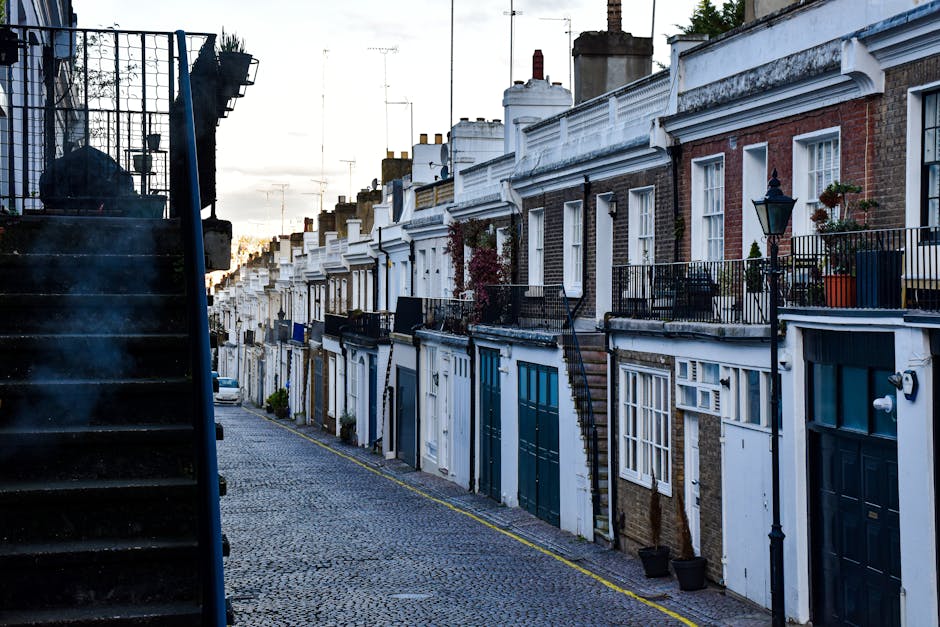
Holland Park is an area in the Royal Borough of Kensington and Chelsea in west London, known for its leafy streets, Victorian and Edwardian houses, and a mix of residential squares, garden squares and cultural landmarks. The district takes its name from Holland House, the former Jacobean mansion that once stood in landscaped grounds and gave the area its identity. Although the house was badly damaged during the Second World War, the surviving parkland remains one of the area’s defining features, with formal gardens, wooded paths and open lawns that create a distinctive sense of enclosure within the city. The neighbourhood sits close to Kensington High Street, Notting Hill and Shepherd’s Bush, and its transport links have long supported its role as a desirable residential quarter. Among its most recognisable places are the Japanese-style Kyoto Garden, the opera and performance spaces around the Holland Park Arts Council complex, and the elegant terraces and crescents that reflect the area’s 19th-century growth. The nearby streets also show the influence of post-war rebuilding and later mansion blocks, adding layers to the local architectural mix. Holland Park station, on the Central line, connects the district to the wider capital, while the park itself provides a strong green centre that contrasts with the surrounding urban density. The result is an area that combines quiet domestic streets, heritage buildings and established public spaces within a compact part of west London.
Access, timing and preparation

When a house move is being arranged, access details often matter as much as the contents list. Ground-floor properties, upper floors, shared entrances and limited parking can all affect how the work is carried out. It helps to mention any lift restrictions, loading bay rules or tight approach routes so the move can be planned in a practical way. A quotation based on clear access information is usually more reliable than one based on item names alone.
You can also review removals near me if you are comparing general moving options and want to see how the service is described alongside other relocation pages. That can be useful when you are deciding whether you need a full domestic move, a partial transport service or help with selected items. For many customers, the right choice becomes clearer once they look at the size of the load and the amount of handling involved.
If you are preparing to request a quotation, a small amount of organisation goes a long way. Make a note of the main rooms involved, any parking issues and anything that must be collected or delivered separately. Clear details reduce unnecessary back-and-forth, and they also make it easier to judge what kind of vehicle and labour is sensible. That is usually enough to begin, even if you do not yet have every box packed.
Pricing factors and quotation requests
House removal pricing is usually influenced by practical factors rather than a single fixed rule. The volume of items, the distance between properties, the level of access at each address and whether any packing or dismantling support is needed can all affect the quotation. A careful estimate takes account of the work involved, not simply the number of rooms in a property. That is why accurate details are so helpful.
If your move also includes related household or small-business transport, the page for man and van may be useful as a comparison point for lighter or more compact jobs. It can suit customers who need straightforward transport rather than a fuller domestic removal setup. By contrast, larger or more complex house moves usually benefit from a service that is built around furniture handling and organised loading.
To request a quotation, provide the destination area, the main items being moved and anything that could slow the job down, such as stairs, narrow access or parking limits. A concise description is enough to start the process; it does not need to be polished. If you prefer to keep things simple, a short written outline of your move is usually the best place to begin. Then you can refine the details later if needed.
Related removal options

Some customers need a household move that links with other types of removal work. That may mean a mix of home contents, a separate collection of bulky furniture or a move that includes items from more than one room or address. In those cases, it can be useful to compare the domestic service with the broader options available on removal company and removal companies. Those pages help when you want to see the wider service family around house removals.
For smaller or more specific tasks, man with a van and man with van are relevant pages to review alongside the main domestic move service. They may suit lighter loads, individual items or short-distance transport where a full house-removal setup is more than you need. If your requirements are modest, choosing a simpler option can be more practical than over-specifying the job.
For a quotation, send the basic facts about the property, the load and the access arrangements, then ask for the most suitable domestic option. If you already know your moving date, mention that too. You do not need to over-explain; just give enough detail for the move to be scoped properly and the work to be planned with confidence.