Recycling and Sustainability at Holland Park Removals
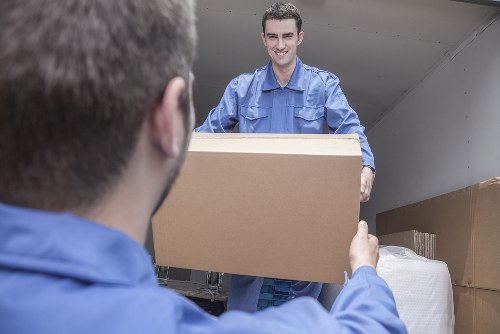 At Holland Park Removals, sustainability is built into the way we plan, pack, transport, and dispose of household and office items. Our Holland Park removals service is designed to support clients who want a cleaner, more responsible move, with a strong focus on reuse first, recycling second, and disposal only when it is the most appropriate option. We work with a practical recycling and sustainability approach that reflects the local character of West London: busy streets, mixed-use buildings, tight loading access, and a community that increasingly expects waste to be handled properly. That means keeping useful items out of the waste stream whenever possible and making sure materials are separated correctly for the next stage of processing.
Our internal target is to recycle or reuse at least 85% of the materials we collect from removals and clearances, where the condition of the items and the available local infrastructure allow it. This target helps guide every decision we make, from sorting at the property to choosing the nearest appropriate facility. In practice, that includes giving furniture, metals, cardboard, electricals, textiles, and mixed recyclables the best chance of entering the right recovery route. When we talk about Holland Park removals recycling, we mean a process that prioritises measured, traceable, and environmentally aware handling rather than a one-size-fits-all disposal method.
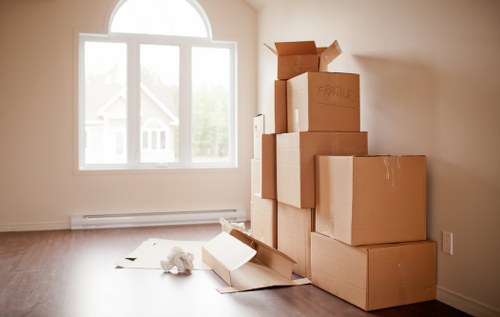 A key part of our removal recycling work is using local transfer stations and licensed waste facilities that can sort and process different material streams efficiently. In and around Holland Park, we benefit from access to borough and regional waste handling systems that support separation of cardboard, wood, metals, plastics, green waste, and residual waste. Many boroughs in London now take a more structured approach to waste separation, which helps us align our removals process with local recycling expectations. This is especially important for loft clearances, office moves, and end-of-tenancy jobs where a wide mix of items may need to be handled carefully and sorted by material type.
 We also make active use of partnerships with charities, because the most sustainable item is often the one that does not need to be processed as waste at all. Usable sofas, tables, chairs, books, kitchenware, and small appliances can often be redirected to organisations that support families, community groups, and low-income households. Our recycling sustainability process includes assessing whether items are suitable for donation, making sure they are clean and safe, and then routing them toward charitable reuse where possible. This approach supports a circular economy and helps reduce the volume of goods heading to transfer stations unnecessarily.
For our clients, this means a move can be both efficient and environmentally responsible. In a typical Holland Park removals project, we may remove a mixture of furniture, packaging, and general household contents. Cardboard boxes are flattened, soft plastics are separated where accepted, and metal components are directed to appropriate recycling streams. Where borough rules require specific separation, we adapt our collection and sorting so that materials are not contaminated. This matters in London, where local waste systems can differ slightly by borough and where correct sorting can significantly improve recycling outcomes.
We also invest in low-carbon vans to reduce the emissions associated with moving goods across the city. Our vehicle choices are aimed at lowering fuel use and cutting the carbon footprint of each job, particularly in congested areas where stop-start traffic can increase emissions. Modern, more efficient vans help us complete Holland Park removals with less environmental impact while still maintaining the reliability needed for household and commercial moves. For larger collections, route planning is used to reduce unnecessary mileage and consolidate journeys wherever possible.
At street level, sustainability is also shaped by how we work in the local area. Holland Park sits within a part of London where residents often expect thoughtful handling of waste, and nearby boroughs generally promote separate bins or designated streams for recyclables, food waste, garden waste, and residual rubbish. Our team takes these expectations seriously. If a property clearance includes mixed materials, we sort them carefully so that recyclable items are not lost to general waste. Recycling at Holland Park Removals is therefore more than a slogan; it is a routine practice built into how our crews load vehicles and prepare materials for transfer.
Another important part of our sustainability policy is minimising single-use packaging and unnecessary wrapping. When protection is needed, we prefer reusable blankets, crates, and covers over disposable materials. This reduces waste before the move even begins. In the case of fragile items, we use packing methods that are secure but efficient, avoiding excess paper and plastic where possible. These small decisions add up across a full week of removals, helping us lower the environmental impact of each relocation while keeping belongings safe.
For office moves, there is often a valuable opportunity to recycle more through sorting of electronics, paper, filing materials, and furniture. Desks, cabinets, and shelving may be suitable for reuse through charity or second-hand recovery, while IT equipment is handled in line with responsible recycling channels. By treating office clearance and home removal items differently according to their material and condition, our Holland Park removals recycling service improves recovery rates and supports better resource use across the board.
 Our partnerships with charities are particularly meaningful when we are clearing homes after long tenancies, refurbishments, or downsizing moves. In those situations, many items still have life left in them even if the owner no longer needs them. We work to identify furniture and household goods that can be passed on for reuse, reducing waste and supporting community benefit at the same time. This is a practical way to connect removals with social value, and it helps us stay aligned with broader sustainability goals in West London.
We also recognise that sustainability is not only about the destination of materials, but about the route taken to get there. That is why we group collections where possible, use nearby transfer facilities rather than distant sites when appropriate, and review each job to improve efficiency. The aim is to keep the process transparent, responsible, and adaptable to changing local recycling rules. In a city as complex as London, that flexibility matters, especially when borough-level collection systems and waste separation standards influence what can be recovered and how quickly it can be processed.
 Ultimately, our commitment to recycling and sustainability is about delivering a removals service that respects both our clients and the environment. From an 85% reuse-and-recycling target, to local transfer station use, to charity partnerships and low-carbon vans, every part of the process is designed to reduce waste and cut emissions. Whether it is a single-room move or a larger clearance, Holland Park Removals aims to make sustainability a practical part of everyday service, not an afterthought.