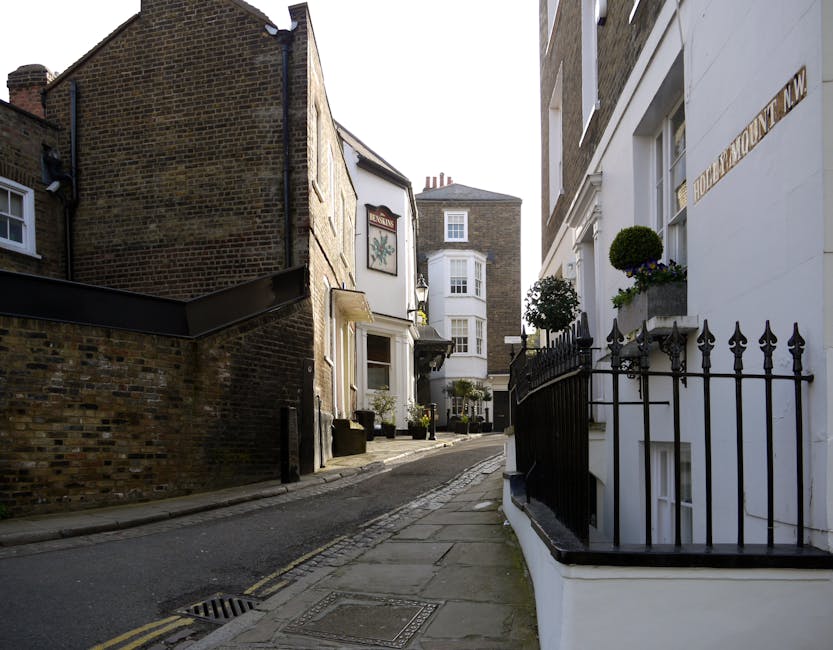
Campden Hill narrow access removals solutions: a practical guide for awkward stairways, tight streets, and stress-free moving
Moving in Campden Hill can be beautifully straightforward on paper, and then reality turns up with a narrow staircase, a shared entrance, a basement flat, or a van that simply cannot sit where you hoped it would. That is where Campden Hill narrow access removals solutions matter most. The right plan can save time, reduce damage, and stop a fairly ordinary house move from becoming an all-day puzzle.
This guide explains what narrow access removals actually involve, how the process works, where the risks sit, and what a sensible moving plan looks like in a busy London setting. Whether you are leaving a top-floor flat, moving into a period townhouse, or coordinating a business relocation with awkward loading access, you will find practical guidance here. No fluff. Just the bits that tend to matter at 7:30 in the morning when the lift is small, the corridor is tighter than expected, and everyone is trying not to bump the banister.
Why Campden Hill narrow access removals solutions Matters
Campden Hill has many of the classic London moving headaches: terraced streets, older buildings, shared entrances, limited roadside waiting space, and layouts that look charming until you need to turn a sofa corner. The truth is, narrow access is not just inconvenient. It changes the whole moving method.
If a team treats a narrow-access move like a standard one, the risks climb quickly. Furniture can get damaged. Walls can scuff. Time overruns happen. Neighbours get annoyed. And if access is especially tight, you can end up with the wrong vehicle size, which is one of those small planning mistakes that snowballs fast.
Good narrow access planning is about matching the move to the property. That means measuring properly, choosing the right vehicle, deciding whether items should be dismantled, and making sure the team knows exactly where to park, load, and carry. In an area like Campden Hill, where moving conditions can change from one street to the next, that preparation is the difference between calm and chaos.
It also matters for people moving into flats, maisonettes, or period homes with winding staircases and tight landings. If you live in a top-floor flat, you already know the feeling: one awkward dresser and suddenly every corner feels personal. A specialist approach respects that reality instead of fighting it.
Expert summary: Narrow access removals work best when the move is planned around the property, not the other way around. The better the survey, the easier the day.
How Campden Hill narrow access removals solutions Works
A narrow-access move usually starts long before moving day. The key question is not simply "How many items are there?" It is "How will each item get out, through, and into the new place safely?"
The process often begins with an access review. That may include looking at stair width, lift size, corridor turns, doorway clearance, external steps, pavement access, and parking restrictions. In some cases, a move can be managed with a smaller vehicle and a well-trained crew. In others, the team may need to dismantle furniture, protect corners, schedule an early start, or use a shuttle-style transfer from a larger lorry to a smaller access vehicle. Not glamorous, but effective.
For many homes, a combination of services works best. A move might use man and van support for smaller loads, full removal services for larger household moves, or flat removals where stairs and shared spaces need extra care. If a home move involves fragile items or awkward furniture, packing and unpacking services can make the whole day much easier.
On the day itself, the crew should protect floors and surfaces, reserve the easiest loading route, carry items in the correct order, and keep communication steady. In practice, that means someone is always checking whether the route still makes sense. Doors open, hallway bottlenecks happen, and sometimes a wardrobe that looked manageable in the survey turns out to have a very stubborn personality. Happens all the time.
Where needed, short-term storage can also be part of the plan, especially if access timing is awkward or completion dates do not line up neatly. That extra breathing room can take a lot of pressure off.
Key Benefits and Practical Advantages
The main benefit of using a narrow-access moving solution is simple: it reduces friction. But there is more to it than speed.
- Less chance of damage: planned routes, protective coverings, and the right crew make a big difference.
- Better time control: fewer bottlenecks means the move stays closer to schedule.
- Safer handling: narrow staircases and tight corridors are less risky when items are moved with the right technique.
- Smarter vehicle choice: a smaller vehicle can be easier to load, park, and manoeuvre in Campden Hill streets.
- Less stress for neighbours and building managers: a tidy, organised move is always better in shared buildings.
- More flexibility: if access changes unexpectedly, experienced movers can adapt without panicking.
There is also a quieter benefit people often overlook: peace of mind. When you know the access problem has been thought through, you stop worrying about the wrong things. You can focus on whether the kettle is packed, whether the keys are on you, and whether the cat has found a hiding place in a box of towels. The important stuff.
For many customers, the service also pairs well with packing and boxes, furniture removals, or even same-day removals when timing is tight. That flexibility can matter more than people expect.
Who This Is For and When It Makes Sense
Narrow access removals are not just for people with "difficult" houses. They make sense for anyone whose property or destination has physical constraints that affect loading and movement.
This includes:
- People moving in or out of upper-floor flats
- Households in period properties with steep or winding staircases
- Residents of mews houses or buildings with limited street access
- Students moving into compact accommodation with shared entrances
- Businesses relocating from small offices with awkward access points
- Anyone with large, fragile, or heavy furniture that needs extra planning
It can also be the right choice when your move is not particularly large, but the access is poor. A small move can still be tricky if the route is tight. A single piano, for example, is a completely different conversation from a few boxes. If you are moving one especially heavy item, you may want to look at piano removals rather than trying to improvise. That is the sort of thing that sounds manageable until it is halfway down the stairs. Then not so much.
For business clients, narrow access planning is often needed for branch closures, office changes, or building work. In those cases, office removals or broader commercial moves can be designed around lift schedules, tenant rules, and limited loading bays.
Step-by-Step Guidance
A successful narrow-access move usually follows a simple but disciplined sequence. No drama, just method.
- Assess the access points. Measure doorways, stairs, landings, and any lifts. Check the route from property to vehicle, not just the front door.
- List the difficult items. Sofas, wardrobes, beds, tables, large mirrors, and appliances often need special handling.
- Decide what should be dismantled. A flat-pack bed may be quick to take apart; a large wardrobe might need more care. Not everything should travel assembled.
- Choose the right transport plan. A smaller van, a larger truck, or a combination approach may suit the move. Sometimes removal van transport is enough; sometimes a larger moving truck is the better fit.
- Prepare protective materials. Floor runners, blankets, wraps, and corner protection all help reduce scratches and knocks.
- Pack by priority. Keep essentials accessible and label boxes clearly so the first things off the van are actually useful.
- Confirm parking and timings. In London, a few minutes lost on parking can turn into a real delay. Plan the loading spot carefully.
- Move in the right order. Heavy, awkward, or fragile items should be handled strategically, not randomly.
- Check rooms before the team leaves. It sounds obvious, but people miss things. Very human. Very common.
If you are moving house rather than just a few items, a dedicated home moves plan can keep the day structured. For more specific household moves, house removals and house removalists are often the better fit than a one-size-fits-all booking.
Expert Tips for Better Results
These are the little details that often separate a smooth move from a stressful one.
- Measure the awkward item, not just the room. A sofa might fit the room but still fail at the staircase bend.
- Keep door stops and blankets close. If you are protecting walls and doors, it should be immediate, not after the first bump.
- Use colour-coded labels. It is a simple trick, but it saves time when boxes arrive in a pile and everyone is tired.
- Empty drawers and shelves. Heavy furniture is much harder to handle when it is full of books, shoes, or random kitchen gadgets.
- Book the move with enough buffer. Tight access takes time. Build that in from the start.
- Take photos of the route. A quick image of the staircase, entrance, or loading area can help the team prepare properly.
One good habit: place the most fragile items together in a clearly marked area and mention them early. It sounds basic, but basic wins on moving day. Every time.
Another practical tip is to separate items you want immediate access to after the move. Think chargers, documents, toiletries, kettle, and bedding. Nobody wants to dig through a mountain of boxes at 10 pm because the toothbrush is somewhere inside a "miscellaneous" box. That is not a fun treasure hunt.
Common Mistakes to Avoid
Narrow access moves tend to go wrong for predictable reasons. The good news is that most of them are avoidable.
- Assuming the property is straightforward. Older London homes often have quirks that do not show up until the day.
- Choosing the wrong vehicle size. Too large and parking becomes a nightmare; too small and you create extra trips.
- Leaving packing too late. A rushed box job is hard to manage in a tight stairwell.
- Forgetting about building rules. Shared entrances, lift bookings, or time restrictions can affect everything.
- Not protecting surfaces. A narrow hallway is exactly where scuffs happen.
- Overloading boxes. It is amazing how quickly a box of books becomes a back injury waiting to happen.
One more that catches people out: not telling the movers about the really awkward item. You know, the one that is technically "fine" but actually weighs like a small fridge. Be honest about those. It helps everybody.
Tools, Resources and Recommendations
You do not need fancy equipment, but a few practical tools make a noticeable difference.
| Tool or resource | Why it helps | Best use in a narrow access move |
|---|---|---|
| Measuring tape | Confirms door, stair, and furniture dimensions | Checking whether items can turn corners safely |
| Furniture blankets | Protects against scuffs and impact | Wrapping sofas, wardrobes, tables, and appliances |
| Floor protection | Reduces damage to hallways and stairs | Useful in shared entrances and polished flooring |
| Labels and markers | Keeps boxes organised | Helps crews prioritise rooms and fragile loads |
| Storage option | Bridges timing gaps | Handy if access or completion timing is not aligned |
For related support, it can help to review packing and unpacking services, compare removal companies, or look at pricing and quotes before you commit. If you are checking service quality and care standards too, insurance and safety is worth reading. It gives useful reassurance, especially for valuable or fragile items.
And if you are moving a smaller load, a flexible man with van style move may be enough. If the load is bigger, the vehicle and crew should scale with it. That sounds obvious, but in removals, obvious is often where the money gets saved.
Law, Compliance, Standards, or Best Practice
Narrow access removals in London are shaped less by one dramatic rule and more by a combination of common-sense best practice, building requirements, road access constraints, and safe working methods. In practical terms, the moving team should plan for safe lifting, clear walkways, sensible load sizes, and vehicle positioning that does not create avoidable risk.
In a shared building, good etiquette matters too. That includes respecting access times, protecting communal areas, and communicating with residents or managing agents where needed. If a building asks for advance notice, a lift booking, or floor protection, it is usually best to honour that rather than improvise later.
Health and safety is not a box-ticking exercise when someone is carrying a wardrobe down a narrow stairwell. A careful team will think about trip hazards, weight distribution, team lifting, and the route itself. If anything feels unsafe, the move should be adjusted. Simple as that.
For people who want a clearer picture of service standards and responsibilities, the pages on terms and conditions, health and safety policy, and payment and security are useful reference points. They help set expectations before moving day, which is always a good idea.
Options, Methods, or Comparison Table
There is no single best method for every narrow-access move. The right choice depends on volume, access, furniture size, and timing. Here is a straightforward comparison.
| Method | Best for | Pros | Trade-offs |
|---|---|---|---|
| Man and van | Smaller moves, a few rooms, lighter loads | Flexible, often easier to park, good for tight streets | Not ideal for large family homes or heavy inventories |
| Full removals team | Households with more furniture and boxes | More hands, more structure, better for awkward items | Needs more coordination and sometimes more space |
| Flat removals approach | Upper-floor flats, shared access, stair-heavy buildings | Designed for staircases and communal routes | Can require more time if access is especially restricted |
| Storage-assisted move | People between homes or waiting on access dates | Reduces pressure when timing is messy | Extra step in the process |
For a single heavy item or a compact move, a removal van can be ideal. For a larger property or more complex access, a bigger move structure usually works better. The key is to match the method to the problem rather than just choosing the cheapest-looking option. Cheap can be expensive. Annoyingly so.
Case Study or Real-World Example
Here is a realistic example based on the kind of move people often face in Campden Hill.
A couple were moving from a top-floor flat into a nearby townhouse. The flat had a narrow stairwell, a small lift that could not take the sofa, and a front entrance that opened onto a tight street. The new property had a hallway with a sharp turn just inside the door. Not impossible, but not casual either.
The move was planned in stages. First, the bulky wardrobe was dismantled. Second, the sofa was wrapped and carried separately with extra corner protection. Third, fragile items were boxed and labelled clearly so they could be unloaded in the right order. The crew used a smaller vehicle for local access and kept the loading route clear so they did not block the entrance longer than necessary.
The surprising part? The biggest time saver was not brute strength. It was preparation. Once the route was measured and the awkward items were broken down properly, everything became much calmer. A bit less dramatic, a bit more professional.
That is the real lesson with narrow access removals: the move becomes easier when the plan is practical, not optimistic.
Practical Checklist
Use this before moving day. It is simple, and it works.
- Measure doors, stairs, lifts, and hallways
- Identify the bulkiest and heaviest items
- Decide what needs dismantling
- Confirm parking and access arrangements
- Book the right vehicle size
- Prepare floor and wall protection
- Label boxes by room and priority
- Set aside essentials for first-night access
- Tell the team about any fragile or awkward items
- Check communal rules, lift bookings, or access windows
- Keep keys, documents, and chargers easy to reach
- Walk through the property at the end before signing off
If you are still comparing options, it may also help to check about us for the company background, or use contact us once you are ready to discuss the practical details. For people who want to understand the handling of belongings and service boundaries, insurance and safety is a sensible read too.
Get a free quote today and see how much you can save.
Conclusion
Campden Hill narrow access removals solutions are about thoughtful planning, careful handling, and choosing the right method for the property in front of you. That might mean a smaller van, a full team, dismantling furniture, or using storage to smooth out timing. More often than not, it means a bit of all of the above.
The good news is that narrow access does not have to mean a difficult move. With the right preparation, even a tight staircase or awkward entrance can be managed in a calm, professional way. And honestly, that calmer approach changes the whole day. Less rushing, fewer surprises, more control. Much nicer for everyone involved.
If your move in Campden Hill feels awkward on paper, that is usually the sign to plan properly rather than hope for the best. A little extra thought now can save a lot of frustration later, and that is money well spent.
Frequently Asked Questions
What are Campden Hill narrow access removals solutions?
They are moving plans and services designed for properties with tight staircases, limited parking, narrow doors, small lifts, or other access challenges. The aim is to move items safely and efficiently without causing damage or delays.
How do I know if my move counts as narrow access?
If large furniture has to pass through tight hallways, awkward corners, steep stairs, small lifts, or limited roadside loading space, it is usually narrow access. If you are unsure, a quick access review before the move is the sensible way to check.
Can a sofa or wardrobe be moved through a narrow staircase?
Sometimes yes, sometimes no. It depends on the dimensions of the item, the angle of the stairs, and the landing space. In many cases, dismantling the furniture first is the safest option.
Is a small van better than a large truck for narrow access?
Often, yes. A smaller vehicle can be easier to park and manoeuvre on tight streets. But if the move is large, a bigger vehicle or a two-stage loading plan may still be more efficient overall.
Should I dismantle furniture before moving day?
Where possible, yes. Beds, wardrobes, and some tables are much easier to carry if they are broken down first. It reduces the risk of damage and makes narrow corners easier to manage.
Do narrow access removals cost more?
They can, because they often need more time, more planning, or extra handling. The exact price depends on the size of the move, the access conditions, and whether extra services like packing or storage are needed.
What should I tell the removals team in advance?
Tell them about stairs, lifts, parking restrictions, bulky items, fragile pieces, and anything that might slow the move down. The more accurate the information, the better the plan they can make.
Can narrow access removals still be done on the same day?
Sometimes they can, especially if the move is small and the access details are clear. For larger or more complicated moves, booking ahead is usually safer. Same-day moves are best reserved for situations where the logistics are genuinely manageable.
What if my building has strict moving rules?
Then the move needs to be planned around those rules. That can include lift bookings, time windows, floor protection, or notifying a building manager. Ignoring the rules is a great way to create avoidable problems, and nobody needs that.
Is storage useful for narrow access moves?
Yes, especially if completion dates do not line up or access is only available at certain times. Storage can reduce pressure and make the move far easier to manage.
What type of removal service is best for a flat in Campden Hill?
For many flats, flat removals are the most suitable option because they are designed around stairs, shared access, and compact spaces. The right approach still depends on the size of the load and the layout of the building.
How can I make moving day less stressful?
Pack early, label clearly, measure the access route, protect surfaces, and keep essential items separate. A calm plan is usually the best stress reducer. Not glamorous, but very effective.
Who should I speak to if I want help planning the move?
Start with a removals provider that understands narrow access, local parking pressure, and careful handling. If you are ready to get going, contact us to talk through the details and arrange the next step.